Is Halal Certification Required for Importing Food or Beverages to Indonesia?
by Muhammad Farhan on Jan 14, 2026
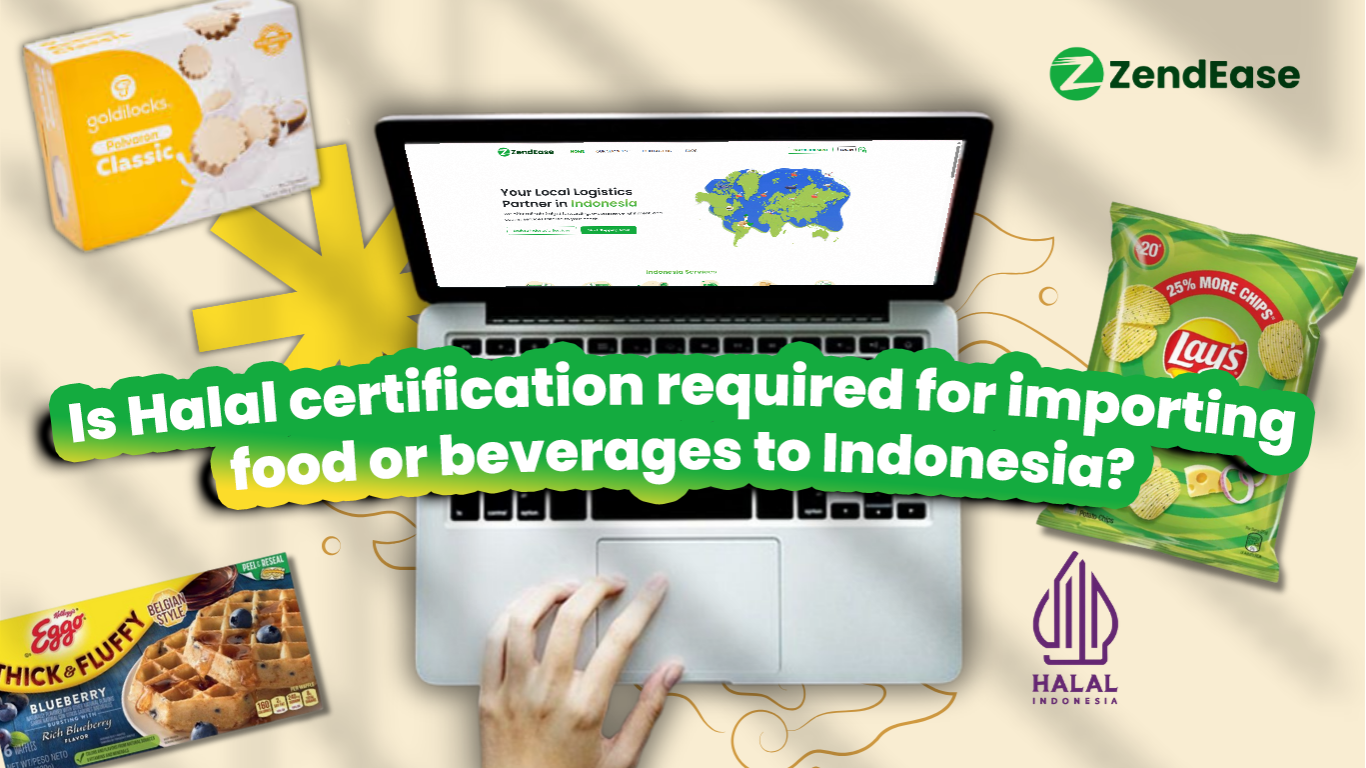
Indonesia is home to the largest Muslim population in the world, which makes Halal compliance a major consideration for businesses entering the market. Whether you’re a food producer, beverage brand, or distributor, understanding the Halal certification requirements can make or break your entry strategy. But is it always mandatory?
Understanding the Regulations
Since the enactment of Indonesia’s Halal Product Assurance Law (Law No. 33 of 2014), all products that enter, circulate, and are traded in Indonesia must be Halal certified — unless they are explicitly non-Halal and labeled as such. The regulation is being implemented in stages, with food and beverages among the first categories prioritized.
The Halal certification process is overseen by the Indonesian Halal Product Assurance Agency (BPJPH), working in collaboration with the Indonesian Ulema Council (MUI) for product auditing and issuing Halal certificates.
When is Halal Certification a Must?
For imported food and beverage products intended for general consumption, Halal certification is typically mandatory. This means that if you are bringing in packaged snacks, bottled drinks, frozen meals, or other consumables, you will need to secure Halal approval before your goods can be distributed; failure to do so can lead to significant delays at customs.
However, there are a few exceptions:
- Products that are clearly labeled and marketed as non-Halal (such as those containing pork or alcohol)
- Products for special use that are not meant for Muslim consumers
- Products still within the phased implementation timeline, though these will eventually be included
How to Get Halal Certification in Indonesia
The process follows a specific regulatory flow:
- Application Submission — Register your product with BPJPH.
- Document Review — Provide detailed ingredient lists, sourcing information, and production processes.
- Audit — Your facilities and processes may be audited by MUI-accredited Halal inspection bodies.
- Certification Issuance — Upon approval, BPJPH will issue your Halal certificate.
Why Compliance Matters
Beyond legal requirements, Halal certification is also a trust-building factor for Indonesian consumers. Even for global brands, Halal labeling can significantly expand market reach and acceptance.
Zendease takes the complexity out of importing by taking care of every detail — from document preparation to regulatory approvals — and ensuring your products enter Indonesia smoothly. Reach out to us at indonesia@zendease.com to book a consultation and explore tailored solutions for your business needs.