How to Localize Indonesian Products for ASEAN Consumers
by Zia Fadhilla Thantry Luthan on Jul 21, 2026
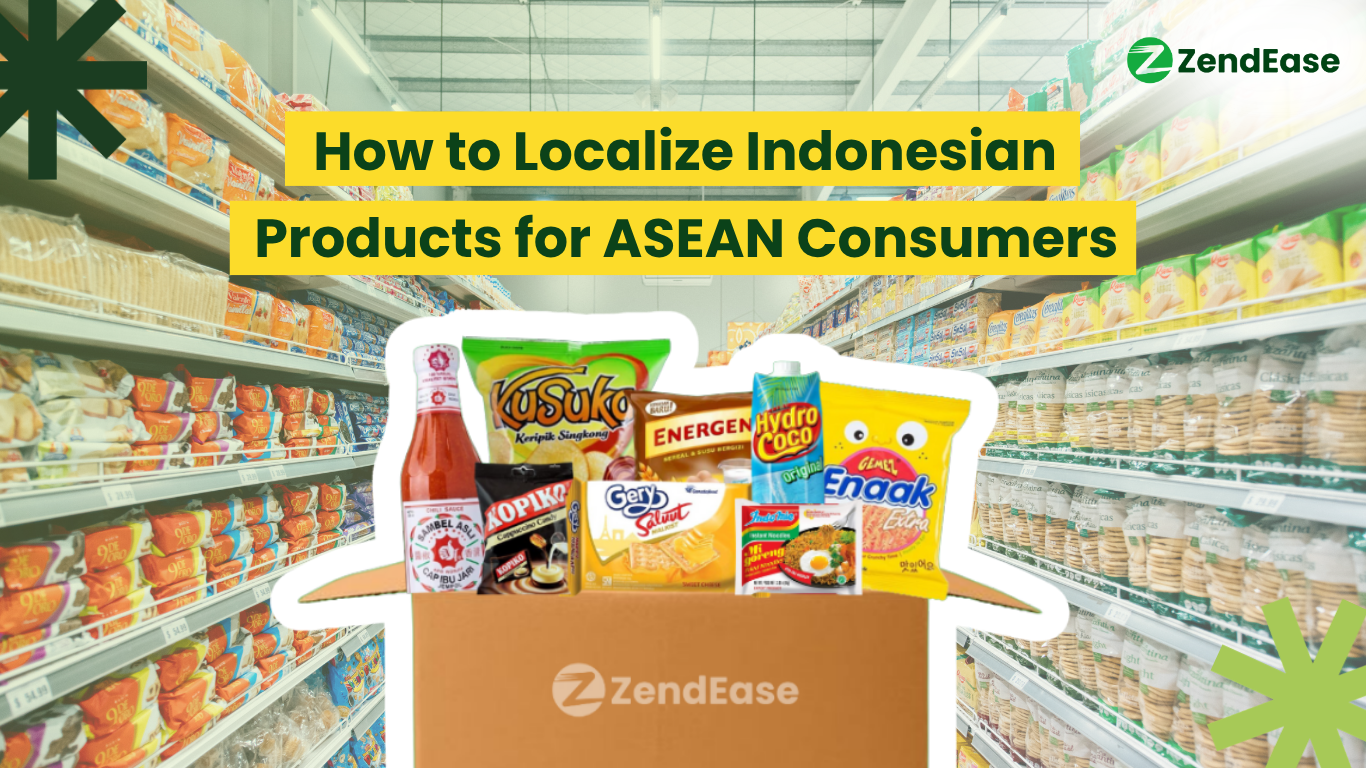
Expanding into the ASEAN region is an exciting opportunity for Indonesian businesses. However, success does not come from just exporting your items as is; it comes from adapting them to your new consumer tastes, cultures, language, and local customs. Localization is more than just translation; it is about making your products feel natural in every market you enter. There are a few tips and tricks that can help your goods stand out to locals:
1. Packaging That Speaks to Local Culture
Packaging frequently represents the first interaction a buyer has with your goods. In ASEAN countries, colors, symbols, and even packing sizes may affect purchasing decisions. For example, bright and vibrant packaging could be attractive to regions such as the Philippines, yet simple and eco-friendly designs may resonate well in Singapore. Indonesian exporters should also consider local requirements for packaging materials, nutritional information, and labeling standards. Simple changes, such as adding easy-open seals or serving sizes appropriate for local consumption patterns, can help your product stand out in the market.
2. Language Localization Beyond Translation
Language is an important tool for developing consumer trust. Simply translating product labels or advertisements is not enough. Every ASEAN country has its own slang, accents, and favored communication techniques. For example, Thai customers may want a mild, polite message, but Malaysian customers might choose bilingual packaging (English and Malay). Small details, such as using culturally relevant taglines, can help your product connect more closely with local customers.
3. Adapting to Taste Preferences
Tastes might differ significantly between ASEAN markets. A favorite snack in Jakarta may be considered too spicy in Vietnam or too sugary in the Philippines. Small-scale product testing, collaboration with local distributors, and slight recipe adjustments for different locations may all pay off. For beverages, for example, changing sugar levels or adding distinctive tastes suited to local palates — such as pandan in Malaysia or coconut variations in Thailand — might increase appeal while remaining authentic to your original product identity.
4. Navigating Local Standards and Consumer Habits
Beyond taste and packaging, each market has its own set of rules and customer behavior. Some countries emphasize halal certification, whereas others prioritize sustainability and impact on the environment. Understanding and achieving these standards not only prevents compliance difficulties but also improves the image of your brand.
Successfully localizing your product may lead to loyal consumers, positive word-of-mouth, and repurchases. However, managing these aspects — regulatory compliance, package redesign, multilingual marketing, and logistics — can be overwhelming.
This is why many Indonesian exporters turn to partners like ZendEase. With its experience in cross-border logistics and market entry, ZendEase quietly takes care of the behind-the-scenes details, so businesses can focus on making their products truly resonate with ASEAN consumers. The result? A smoother, more confident expansion without the guesswork.
Are you ready to take your products to the next level? Contact us today at indonesia@zendease.com.