Export Goods Rejected by Recipient: Damage, Compliance Issues, and Re-Export Solutions
by Zia Fadhilla Thantry Luthan on May 05, 2026
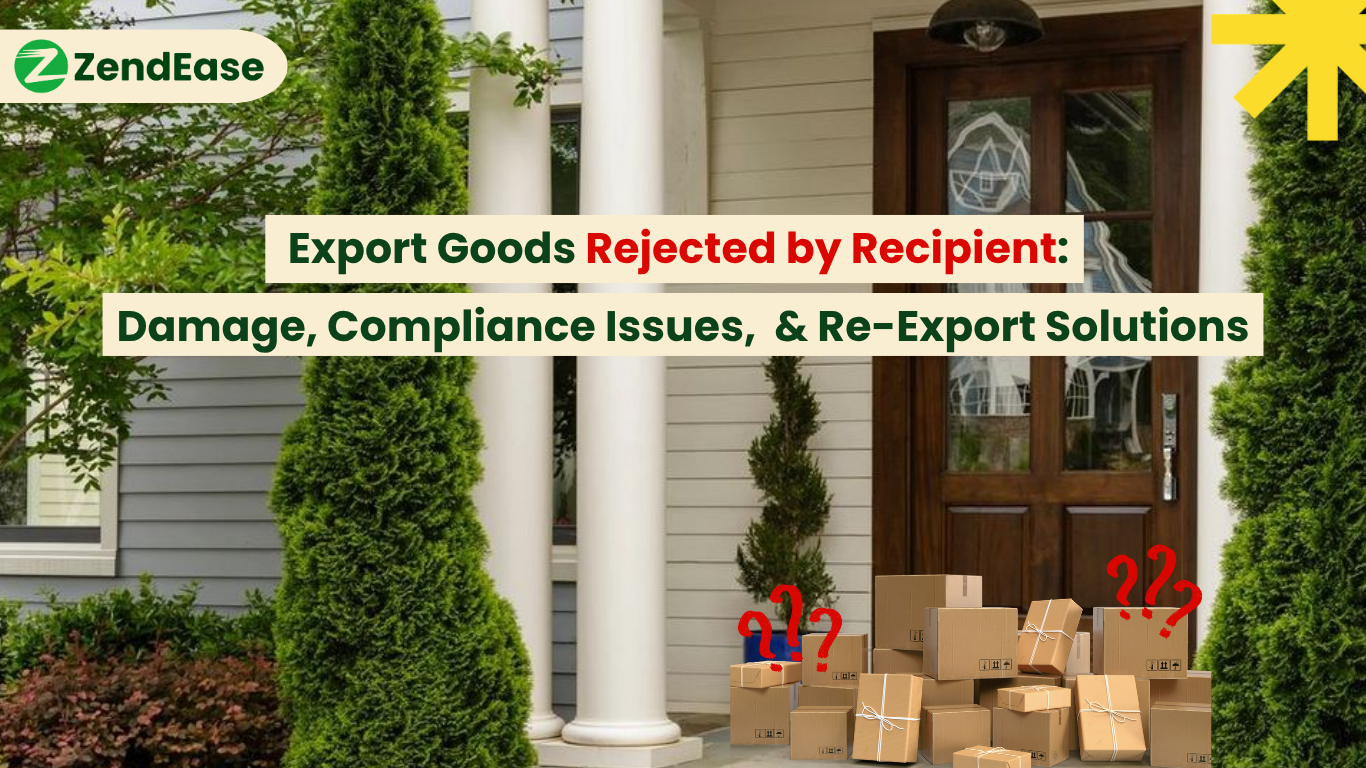
An export shipment successfully cleared customs in the origin country, crossed borders, and arrived at its destination, only to be rejected by the buyer. For many exporters, this is one of the most frustrating and costly parts of international shipment.
Goods are typically rejected for three main reasons:
1. Physical Damage
Improper packaging, rough handling, or humidity exposure during transit can result in broken, dented, or contaminated products. Even minor defects can lead to full shipment rejection, especially for high-value goods or retail-bound products.
2. Compliance Issues
Differences in product standards, labeling requirements, certifications, or import permits can cause authorities — or the buyer — to refuse entry. Missing documents, incorrect HS codes, or unregistered products often trigger this issue.
3. Specification Mismatch
Variations in size, material, formulation, or technical standards compared to the purchase agreement may lead buyers to reject goods due to non-conformity.
When rejection happens, exporters face difficult decisions: destroy the goods, offer heavy discounts, or arrange a re-export. Re-exporting is frequently the best option, but it requires strict compliance with both the destination country's requirements and the originating country's re-import processes. Mishandling this process can result in double duties, storage penalties, or ongoing customs disagreements.
Here’s an example:
An Indonesian furniture exporter shipped wooden chairs to a European distributor. Upon arrival, the buyer rejected the shipment due to incomplete fumigation documentation and labeling that did not meet EU timber regulations. The goods were held at the port, accumulating storage charges daily.
Instead of throwing out the shipment, the exporter chose to re-export. However, the procedure required revised documentation, coordination with customs brokers in both countries, and compliance verification before the products were legally returned.
This is where structured trade management becomes important.
Export failures are rarely just logistics problems — they are compliance and documentation risks. Preventing rejection requires accurate classification, regulatory alignment, licensing, and end-to-end documentation control before goods even leave the warehouse.
ZendEase supports exporters by simplifying export licensing, regulatory compliance, and trade documentation management through an integrated digital platform. From verifying permit requirements and aligning product documentation to managing cross-border compliance risks, ZendEase helps businesses reduce costly errors and navigate complex re-export procedures when challenges arise.
In global trade, rejection doesn’t have to mean loss. With the right compliance strategy and thorough oversight, exporters can protect their shipments and move forward with trustworthiness alongside the right logistics partner.
Export smarter, minimize risk, and protect your international partnerships. Let ZendEase help you navigate compliance with clarity. Email us at indonesia@zendease.com to get started.