Common Mistakes to Avoid When Importing Goods into Indonesia
by Zia Fadhilla Thantry Luthan on Mar 17, 2026
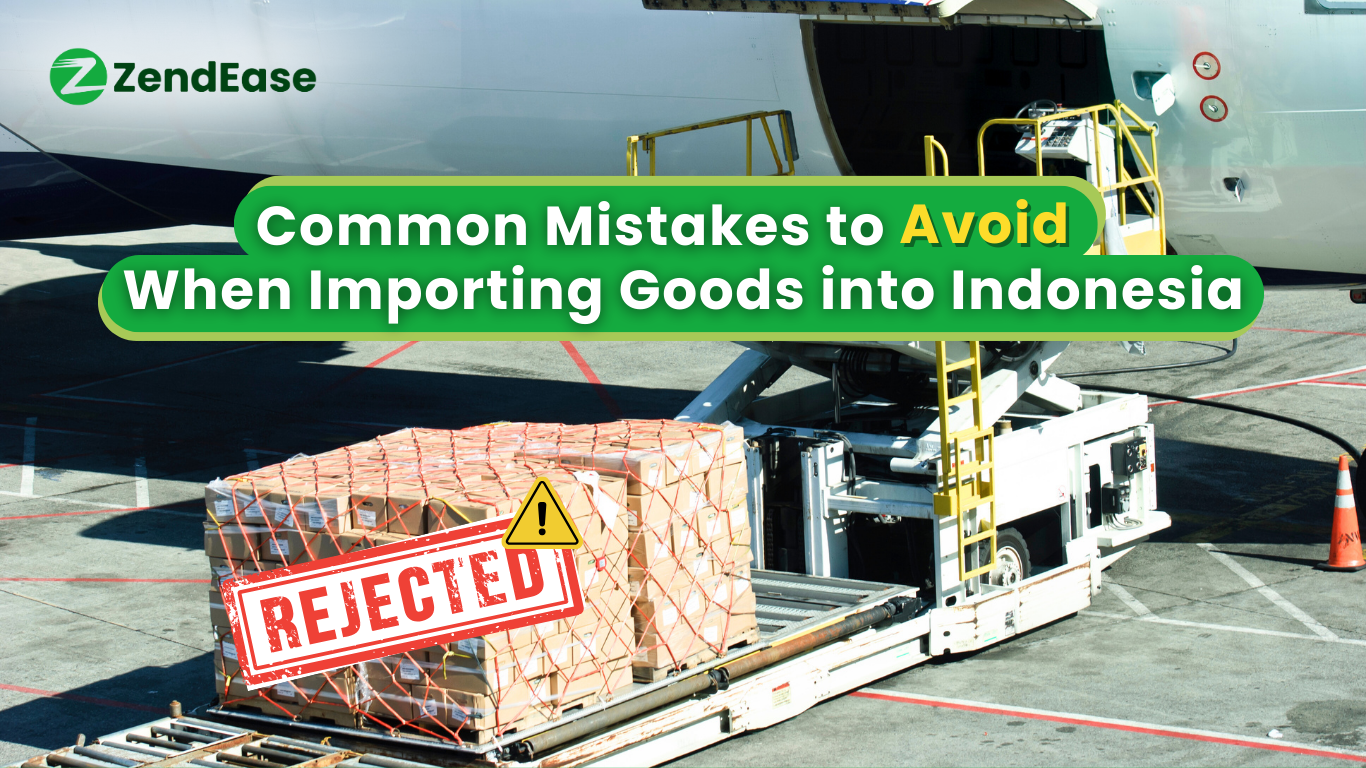
Indonesia's expanding market draws companies from all over the world. Demand for fashion and electronics, as well as raw materials and food products, is increasing. However, despite the vast prospects, importing into Indonesia is rarely straightforward. Many businesses, particularly newcomers, make mistakes that result in delayed shipments, increased prices, and undue stress. What is the good news? With the correct information and partner, these risks may be avoided.
1. Incorrect Documentation
Documentation is the foundation of smooth importation. Customs demands invoices, packing lists, and HS codes to be completely precise. If your HS code does not match the product or your invoice contains a slightly different description, Customs may immediately hold the items for explanation. Even minor mistakes, such as omitting a signature or using the incorrect currency, can cause days of delay. For time-sensitive shipments, these errors are quite expensive.
2. Miscalculating Duties and Taxes
Another typical issue is neglecting to account for the entire spectrum of import expenses. Duties are only the beginning; importers must also pay VAT (PPN) and income tax (PPh 22). Some items may incur extra luxury taxes. Some companies budget merely for basic functions and are surprised when the final price is significantly more. If payments are not ready when the products arrive, this might interrupt cash flow and cause clearance delays. However, some importers often under-declare product values in an attempt to reduce import taxes. While this may seem like a shortcut, it frequently leads to serious consequences, resulting in customs fines and unexpectedly higher expenses. In the long run, being factual and transparent in your declarations is always the safer and more sustainable approach to ensure smooth importation and protect your business reputation.
3. Missing Special Permits
In Indonesia, the regulation of products is quite stringent. Cosmetics and pharmaceuticals must receive approval from BPOM, while electronics frequently necessitate import licenses. Furthermore, products such as helmets, toys, and cables are subject to SNI certification. Without these essential permits, the release of your goods will be withheld, irrespective of any urgency. The application process for these permits demands both time and meticulous preparation; hence, neglecting this crucial step could potentially result in delays spanning several weeks.
4. Poor Logistics Planning
Even with perfect documents, improper preparation can complicate the import process. Many companies pick the cheapest shipping method without considering transit duration, dependability, or hidden charges like demurrage (port storage fees). Others overestimate lead times and miss market deadlines. Logistics is more than just moving packages; it's about timing, cost effectiveness, and keeping the supply chain running smoothly.
These are common obstacles, but they do not have to ruin your business. This is where ZendEase makes importing easy. From document checks to tax computations, permit applications, and dependable logistical coordination, ZendEase guarantees that every detail is handled precisely. Instead of worrying about delays, you can concentrate on what truly matters: expanding your business and pleasing your consumers.
Don’t let small mistakes become expensive setbacks. Partner with ZendEase today and make importing into Indonesia smooth. Let’s connect with indonesia@zendease.com.